0
Hair Drug Test Info
Hair Follicle Drug Tests: How They Work and How to Prepare
Overview on drug tests
Stepping into a testing facility for a hair follicle screening can trigger intense anxiety. Unlike other workplace evaluations, a hair test is not a minor procedural hurdle; it often stands as a decisive barrier to employment, a critical factor in legal proceedings, or a pivotal moment in your career. When you are facing a test that digs deep into your personal history, understanding how these screenings operate and knowing how to prepare effectively is your best defense.
1. How Hair Follicle Drug Tests Work
A hair follicle drug test is a sophisticated analytical screening used by employers, legal entities, and clinical programs to evaluate long-term substance use. While urine and saliva tests only measure recent impairment over a brief window of a few days, a hair test provides a comprehensive, historical timeline.
When substances are consumed, metabolites enter the bloodstream and circulate throughout the body. As blood nourishes the hair follicles beneath the scalp, these circulating metabolites become permanently embedded and locked inside the core (cortex) of the growing hair shaft. Because human hair grows at a steady average rate of approximately 0.5 inches per month, standard laboratory testing of a 1.5-inch hair sample yields a historical timeline spanning roughly 90 days.
Because metabolites are trapped deep within the keratin protein structure of the hair shaft, simply washing your hair with regular, everyday shampoo is completely ineffective. Standard shampoos only clean surface oils and environmental dirt, leaving internal drug residues entirely untouched.
2. Types of Drugs Detected and Cutoff Levels
Hair follicle testing is highly comprehensive, capable of detecting a wide variety of illicit substances, prescription medications, and their metabolites. Standard panels frequently screen for:
- Marijuana (THC)
- Cocaine
- Amphetamines and Methamphetamine
- Opiates (Heroin, Morphine, Codeine)
- PCP (Phencyclidine)
- Benzodiazepines
- Oxycodone and Hydrocodone
- Barbiturates and Methadone
Understanding Laboratory Cutoff Levels
Laboratories establish strict numerical threshold guidelines—known as cutoff levels—to distinguish between a negative and a positive result. Any sample testing above the established cutoff concentration is reported as positive, while levels falling below the line are classified as negative. Typical cutoff thresholds include:
- THC (Marijuana): 1 pg/mg
- Cocaine: 300 to 500 pg/mg
- Opiates: 200 to 500 pg/mg
- Methamphetamine / MDMA: 500 pg/mg
- PCP: 300 pg/mg
3. The Laboratory Testing Process
The analytical process followed by certified testing facilities is rigorous and multi-tiered to ensure absolute accuracy:
- Hair Collection: A trained test administrator collects a small specimen of hair (typically about 100 to 120 strands) from the crown of the head, cutting as close to the scalp as possible. If head hair is unavailable or shaved, body hair from the arms, legs, chest, or back can be utilized.
- Initial Screening (ELISA): The collected hair is washed of external contaminants and pulverized into a liquid extract. The initial examination is conducted using an enzyme-linked immunosorbent assay (ELISA) screening method.
- Confirmatory Testing (GC-MS / LC-MS): If the initial ELISA screen yields a presumptive positive, the sample is subjected to advanced confirmatory testing via gas chromatography-mass spectrometry (GC-MS) or liquid chromatography-mass spectrometry (LC-MS). This confirmatory stage is extremely precise and rules out false positives.
- Result Reporting: Negative results are typically finalized within 3 to 5 days, while positive or complex confirmations can take up to two weeks.
4. Clearing Up Common Hair Test Myths
Because hair follicle tests are intimidating, internet forums and social media are filled with unverified home remedies and dangerous misconceptions. Believing these myths can result in a failed screening:
- Myth 1: Shaving Your Head Will Save You. Shaving your head provides a false sense of security. If head hair is absent, collection personnel will simply harvest body hair, which grows significantly slower and retains drug metabolites over an even longer duration. Furthermore, arriving completely shaved often raises immediate suspicion.
- Myth 2: Bleaching Your Hair Eliminates Metabolites. While chemical bleaching can damage the hair cuticle and strip away roughly 30% of surface metabolites, it cannot reach deep into the inner cortex where the majority of toxins are bound. Advanced lab equipment will still detect the remaining markers.
- Myth 3: Household Remedies (Vinegar, Baking Soda, Lemon Juice) Work Alone. Using simple kitchen ingredients without a structured regimen only cleans the surface and fails to penetrate the inner hair shaft.
- Myth 4: Detox Drinks Clear Hair Follicles. Detox drinks are formulated exclusively for flushing toxins from urine via the urinary tract; they have zero chemical impact on hair follicles.
5. Proven Solutions: Mike’s Macujo Method
When facing a high-stakes 90-day hair screening, individuals require a scientifically structured approach designed to open the hair cuticle, break down stubborn chemical bonds, and extract metabolites from the inner cortex without destroying the hair itself.
The gold standard for achieving this is Mike’s Macujo Method, a comprehensive 9-step cleansing routine developed specifically for heavy exposure and hard-to-remove substances. Unlike outdated six-step internet routines, Mike’s modern method integrates a precise sequence of steps utilizing specialized clarifying products and everyday components like Arm & Hammer baking soda, Clean & Clear Astringent, Liquid Tide laundry detergent, and white vinegar.
- Link to macujo methods.
6. Essential Products for Your Cleansing Routine
Executing a successful hair detox requires specialized, laboratory-tested products designed to work in synergy with professional methods:
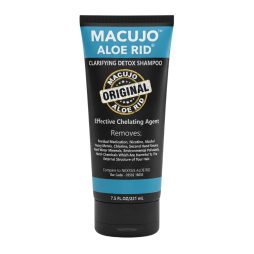
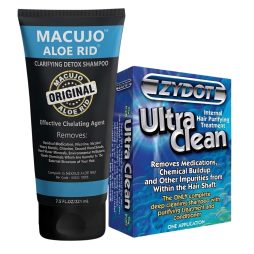
- Macujo Aloe Rid® Shampoo: This is the cornerstone of the entire cleansing process. Formulated with high concentrations of propylene glycol and deep-cleaning chelating agents, it safely penetrates the hair cuticle to dissolve and wash away trapped toxins.
- Zydot Ultra Clean Shampoo: Designed as the ultimate finishing touch to be used on the day of your test, Zydot Ultra Clean strips the hair follicle of external contaminants and leaves an invisible protective barrier on the hair shaft.
- At-Home Hair Follicle Test Kit: Never walk into an official screening blindly. Utilizing an at-home laboratory kit allows you to collect a hair sample, mail it to a certified facility, and receive a confidential 18-drug panel report covering your 90-day history before your official appointment.
7. Conclusion and Final Preparation Tips
Preparing for a hair follicle drug test requires discipline, early action, and the right products. The moment you receive notice of an upcoming screening, cease all substance use immediately. Calculate your required number of cleansing sessions based on your personal exposure history, follow structured protocols like Mike’s Macujo Method meticulously, and verify your clean status beforehand with an at-home test kit to ensure absolute peace of mind.